

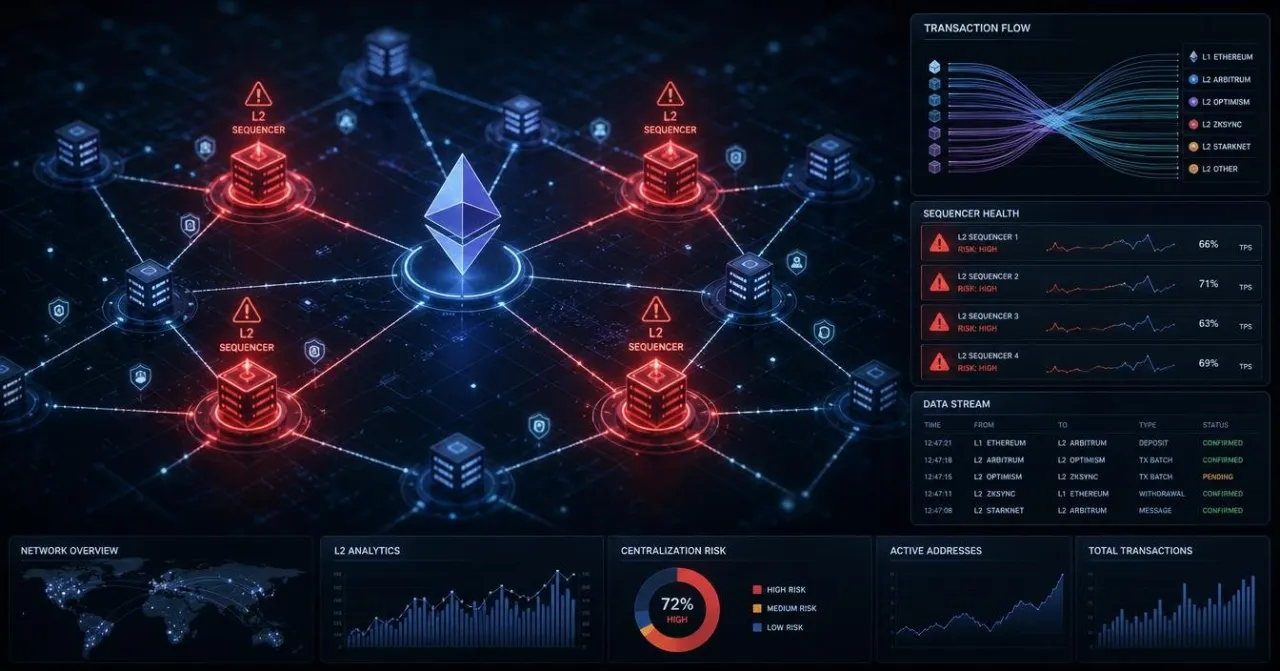
Ethereum's layer-2 networks, designed to improve scalability, rely heavily on entities known as sequencers. These sequencers are responsible for ordering transactions, setting the pace of the chain, and collecting fees. However, the centralization of these sequencers has raised significant concerns within the crypto community.
Currently, most layer-2 solutions operate with a single sequencer, often managed by a single company. This setup creates a potential chokepoint, where the sequencer can control transaction flow and even halt operations. Such centralization poses risks to the network's decentralization ethos and its resilience against censorship or outages.
Efforts are underway to address these concerns. Some proposals suggest implementing decentralized sequencer networks, which would distribute control among multiple entities. This approach aims to enhance security and ensure that no single point of failure exists within the system.
The debate over sequencer centralization highlights the ongoing challenges in balancing efficiency and decentralization in blockchain technology. As Ethereum continues to evolve, finding a sustainable solution to this issue remains a priority for developers and stakeholders.
Comments
Loading comments...