

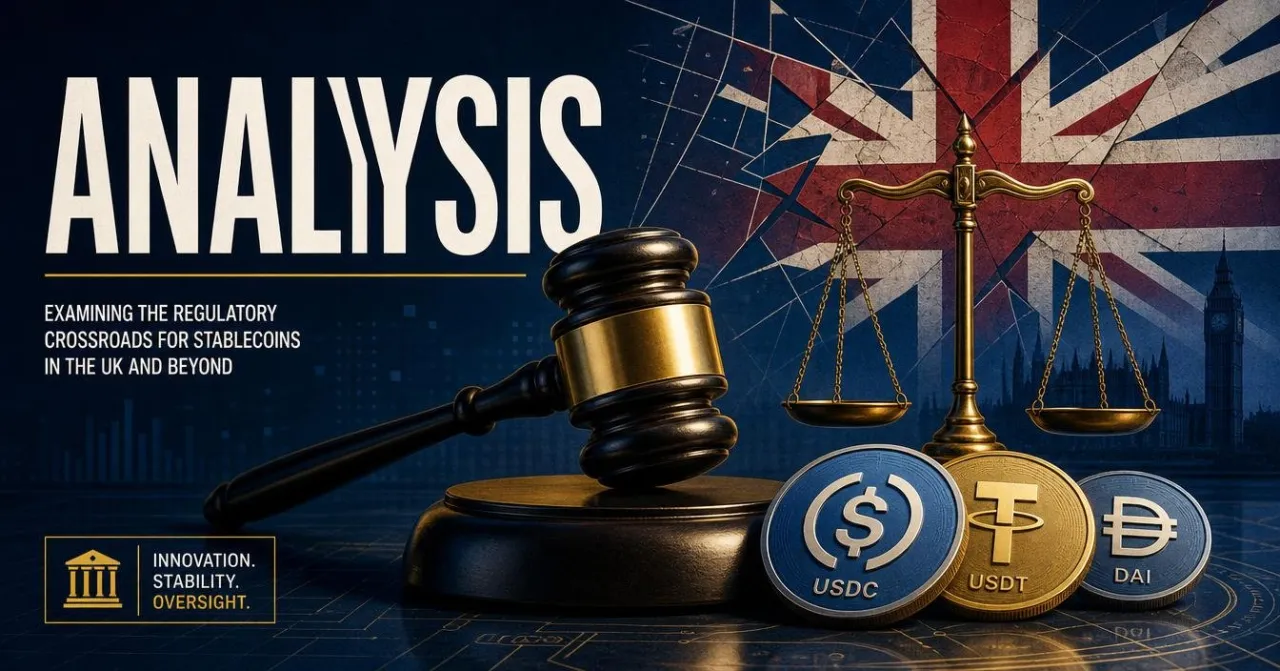
The UK's recent move to lower capital buffers for stablecoins is stirring the regulatory pot, with implications that could ripple across the crypto landscape. As the Financial Conduct Authority (FCA) pushes for these changes, it raises the question: is the UK engaging in a regulatory race to the bottom?
Opinion: This decision seems like a strategic play to position the UK as a more attractive hub for crypto businesses, but at what cost to financial stability?
What we know
- The UK's Financial Conduct Authority has proposed reducing capital buffer requirements for stablecoins.
- This move follows the Bank of England's reversal on limits to the value of stablecoins an individual can hold.
- The decision appears to be a direct response to the EU's MiCA framework, which imposes stricter requirements.
- Critics argue this could lead to a regulatory race to the bottom, compromising financial safeguards.
The take
Lowering capital buffers may attract crypto businesses seeking a more lenient regulatory environment, potentially boosting the UK's position in the global crypto market. However, this comes with significant risks. The stability of financial systems relies heavily on adequate capital reserves, especially in volatile markets like crypto.
The UK's strategy could be seen as an attempt to undercut the EU's more stringent MiCA regulations, positioning itself as a more flexible alternative. But this raises concerns about whether financial stability is being sacrificed for competitive advantage.
While the aim might be to foster innovation and attract investment, regulators must tread carefully to avoid creating vulnerabilities that could lead to broader economic repercussions.
Counterpoints
- Some argue that lower capital buffers can spur innovation by reducing the financial burden on startups.
- Proponents believe that a competitive regulatory environment is necessary to keep the UK at the forefront of financial technology.
- It remains to be seen if the reduced requirements will genuinely compromise financial stability, as safeguards could be implemented elsewhere.
What to watch next
- How the EU responds to the UK's regulatory changes and whether it will adjust its MiCA framework.
- The impact of these changes on the UK's attractiveness to crypto businesses and startups.
- Potential reactions from other major financial hubs and whether they will follow suit.
- Monitoring the stability of the UK financial system as these regulatory changes take effect.
Risk & Disclosure
This is not financial advice. This article represents the author's opinion based on available information. Cryptocurrency markets are highly volatile and speculative. Always do your own research.
Comments
Loading comments...