

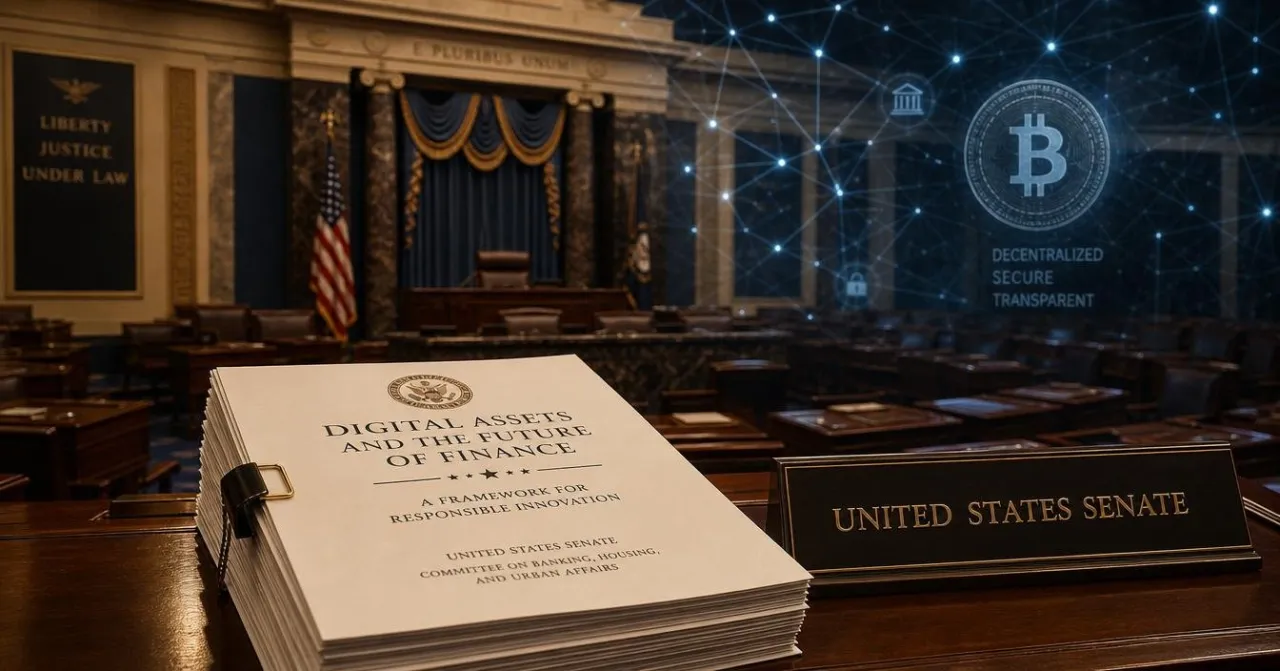
The US Senate's decision to pass a housing bill that includes a four-year ban on a Federal Reserve-issued Central Bank Digital Currency (CBDC) has ignited a fierce debate. Is this a prudent move to safeguard the economy, or are we stifling innovation at a critical juncture?
Opinion: This ban could be seen as a protective measure against potential risks, but it might also hinder progress in the rapidly evolving digital currency landscape.
What we know
- The US Senate has passed a housing bill that includes a four-year ban on a Federal Reserve-issued CBDC.
- This ban is set to last until 2030, according to the source.
- The decision has sparked discussions about the balance between innovation and regulation.
- Critics argue that this move could delay the US's entry into the CBDC space.
The take
The Senate's decision to impose a four-year ban on a Fed-issued CBDC might reflect a cautious approach to emerging technologies. While some view this as a necessary step to evaluate potential risks, others see it as a missed opportunity to lead in digital currency innovation.
By holding back on CBDC development, the US risks falling behind other nations that are aggressively pursuing their own digital currencies. The potential benefits of a CBDC, such as increased financial inclusion and more efficient monetary policy tools, are significant.
However, the concerns driving this ban cannot be ignored. Issues such as privacy, security, and the impact on existing financial systems need thorough examination. The Senate's decision may provide the time needed to address these concerns adequately.
Counterpoints
- Some argue that the ban allows for a more comprehensive assessment of CBDC implications.
- Others believe that innovation in the private sector can continue without government-issued digital currencies.
- There's a viewpoint that the US can learn from other countries' CBDC experiences during this period.
What to watch next
- Developments in other countries' CBDC projects and their impact on global finance.
- Potential changes in US regulatory approaches to digital currencies.
- Technological advancements in private sector digital currencies during the ban period.
- Public and industry reactions to the Senate's decision over time.
Risk & Disclosure
This is not financial advice. This article represents the author's opinion based on available information. Cryptocurrency markets are highly volatile and speculative. Always do your own research.
Comments
Loading comments...