Bitcoin Triggers $1.48B Liquidation Wave Amid Inflation Concerns
Bitcoin's price drop below $60,000 has led to $1.48 billion in liquidations, driven by U.S. inflation data suggesting prolonged high interest rates.

Found 188 results for “Market Volatility”
Bitcoin's price drop below $60,000 has led to $1.48 billion in liquidations, driven by U.S. inflation data suggesting prolonged high interest rates.
Shiba Inu's exchange reserves have soared to 80 trillion tokens after a 600% inflow spike, sparking curiosity and discussion in the crypto community.
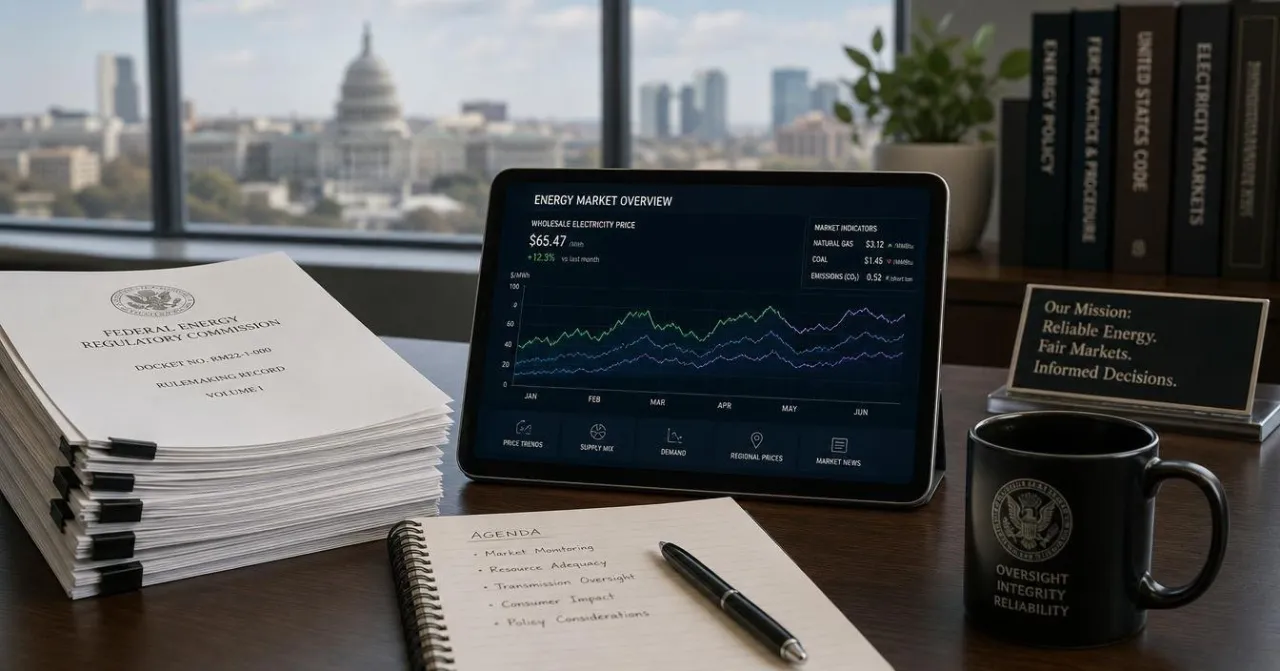
As the CFTC explores 24/7 energy futures, the question arises: will this bridge the gap between crypto and traditional markets or simply add layers of complexity?
Bitcoin's price has fallen toward $63,000 following the release of a strong U.S. jobs report, which may influence the Federal Reserve's monetary policy.
With Fed Chair Warsh's mixed messages and Trump's geopolitical rhetoric, the crypto market finds itself in uncertain waters. How will these macroeconomic influences shape the futur...
Bitcoin's price nears $64,000 following the Federal Reserve's hawkish comments, triggering a liquidation cascade in the crypto market.
Saylor's claim that 25% of 'Mag8' firms hold Bitcoin sparks debate: Is this a genuine shift or simply overblown enthusiasm?
When the CEO of CME speaks up about the dangers of perpetual futures, it’s time to listen. But is this a genuine concern for market stability or a strategic move in the regulatory...
Bitcoin's price surged past $63,000, leading to the liquidation of $540 million in short positions. This marks a seven-week high for the cryptocurrency.
As Abra's CEO predicts a shift towards tokenized yield products, the debate on the future of crypto investment strategies intensifies.
Bitcoin has rebounded above $61,000 following a market rout that led to $1.6 billion in liquidations. The recovery comes after significant sell-offs impacted the cryptocurrency mar...
The CFTC's approval of crypto perpetual futures could reshape the market landscape, but is it a step towards stability or a door to new risks?